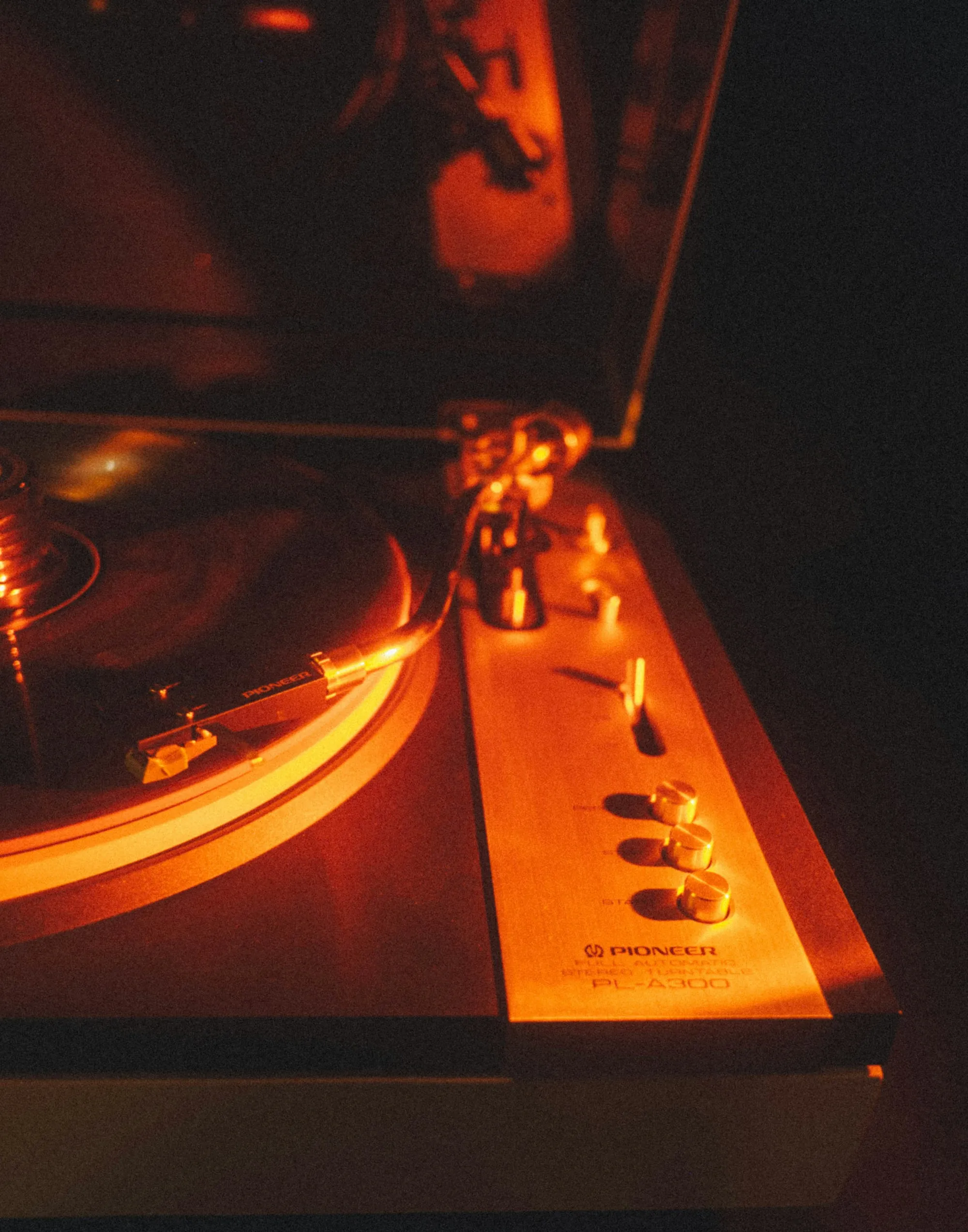
The chair used to face the table. When I put on a record, I would sit down with whatever I had been doing and carry on. A page stayed open beside my elbow. Sometimes I reached the end of a side without remembering much of the music, although I could tell you where I had corrected a sentence. The room made it very easy to continue working while something else played.
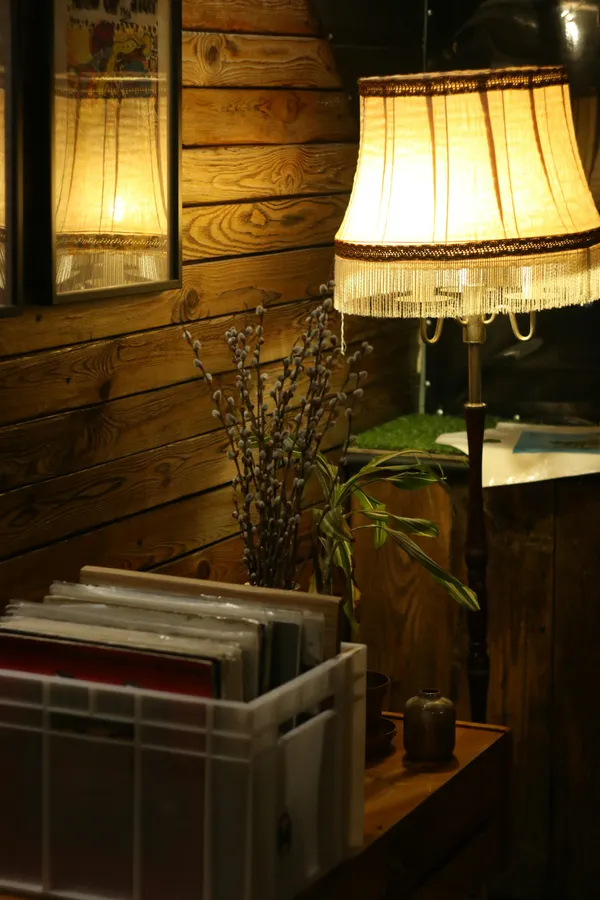
One afternoon I turned the chair toward the opposite wall. I had been moving a lamp and needed to get past it, so the arrangement was accidental. The record was still playing when I sat down again. From that position, the open page was behind me. There was a low shelf ahead, with the edges of several sleeves visible between a bowl and a stack of books. I stayed until the side ended.
I wouldn’t describe the room as a listening room. It contains a table I need every day and a chair that is moved whenever someone comes over. There is a window that rattles slightly when a bus passes. What interests me is how little had to change before listening became the thing I was doing, rather than something accompanying it. The distance from my hand to the unfinished page had become inconvenient.
I turned the chair toward the opposite wall while moving a lamp. When I sat down again, the record was still playing and the open page was behind me. Ahead was a low shelf, with several sleeves visible between a bowl and a stack of books. I stayed until the side ended.
I tried leaving the chair there. It made the route to the window awkward, and I disliked seeing its back from the doorway. After a few days I moved it closer to the shelf and angled it toward the middle of the room. That position was less tidy. A small corner of the rug remained visible beyond one leg, where the earlier arrangement had followed its edge. I kept returning the chair to the new angle.
The lamp took longer to settle. Beside the table, it illuminated the work well but put a bright shape in the edge of my view. On the shelf, it left the record sleeve difficult to read. I eventually placed it low enough that the light fell across the books and the surface beside the chair. I could put down a glass without searching for the table. The rest of the room could remain unevenly lit.
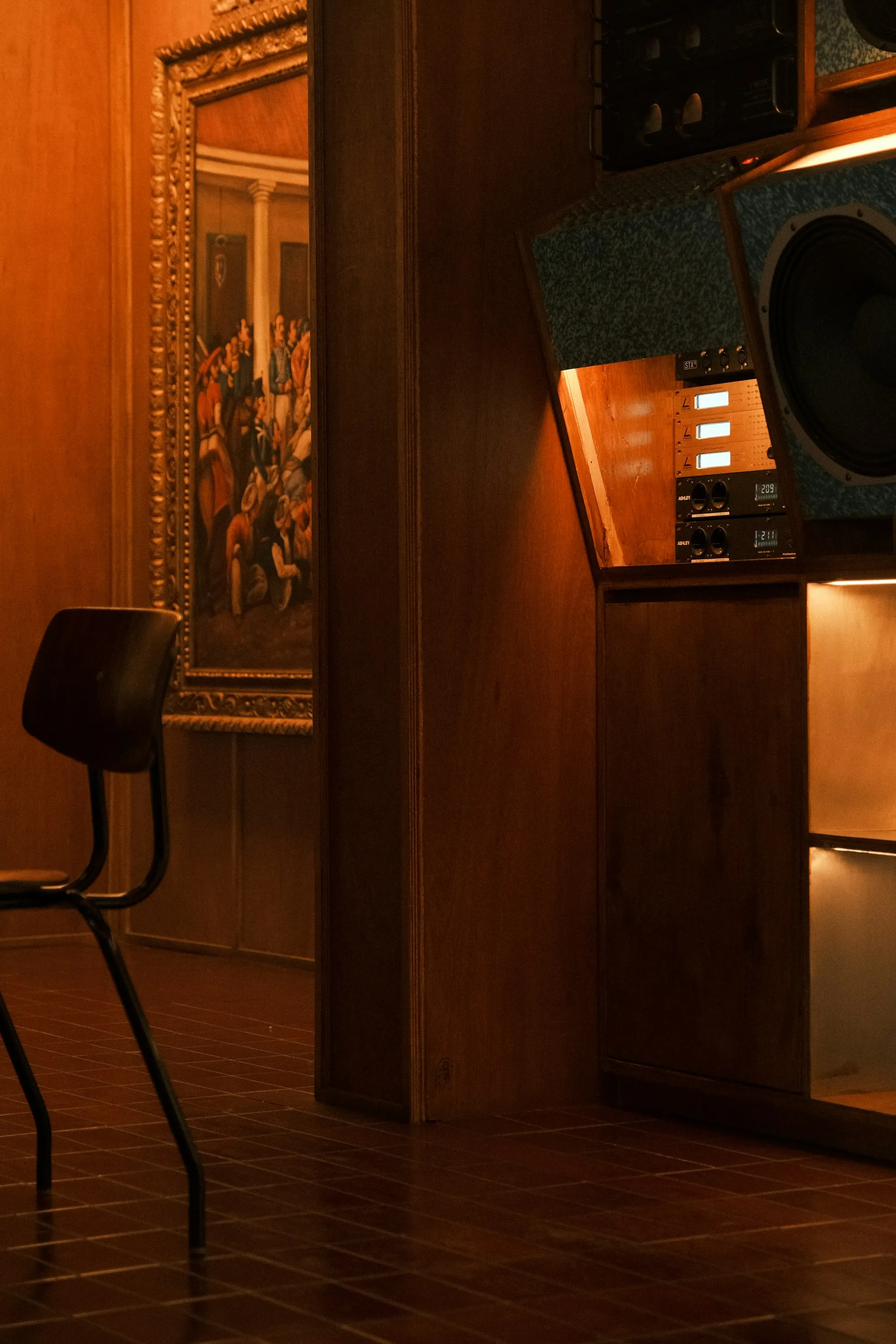
A room also has to accommodate the person who isn’t listening in quite the same way. A friend sat on the floor one evening, with their back against the sofa, and asked whether we could turn the chair a little. From where they were, it stood between us. We moved it again. The conversation continued through most of the record, which seemed an entirely reasonable use of the space.
I like looking at photographs of rooms where an arrangement suggests a particular activity without making the whole interior feel dedicated to it. A seat pulled slightly away from a wall can be enough. The objects around it may be ordinary and the furniture imperfectly matched. I look for the place where someone could put an elbow, or leave a sleeve while they decide what to play next.
The chair still returns to the table when I need more seats. Moving it back afterward takes a moment. I usually do it with one hand while holding a record in the other, then adjust the front leg so it clears the rug. There is a faint mark in the pile where that leg now rests. I can find the angle without looking at the shelf.