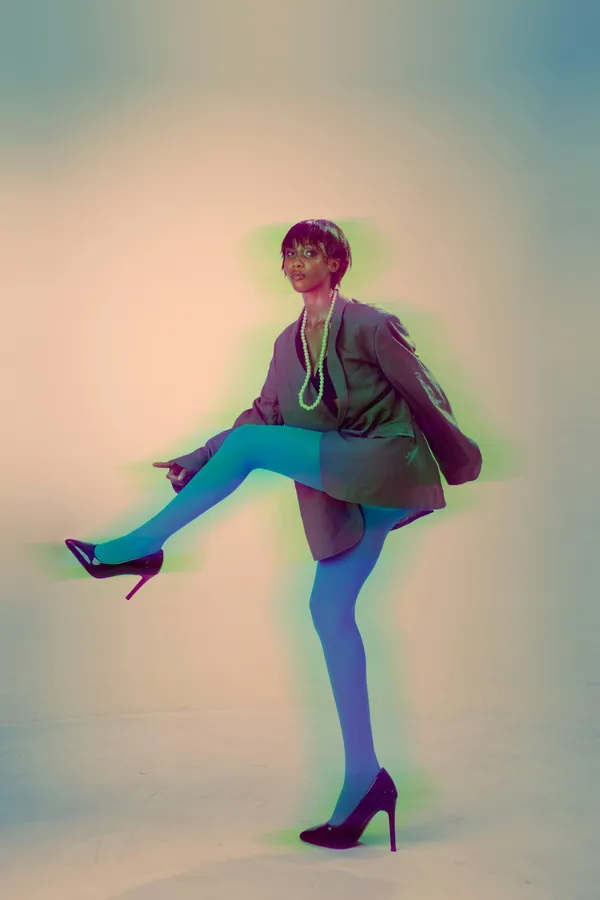
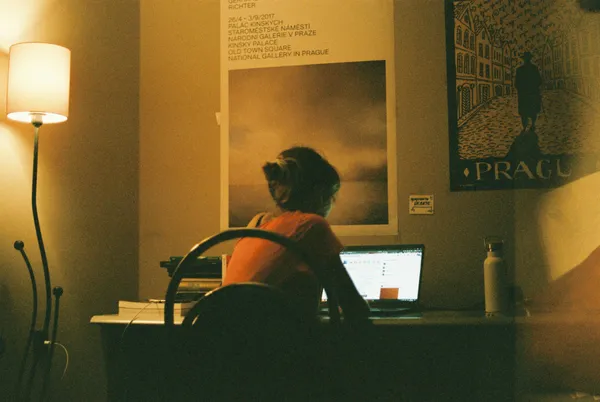
Back at the desk, I print the photographs small enough to fit several on a sheet. A room that occupied an entire afternoon becomes a rectangle beside a hurried picture of a stairwell. The two frames are almost the same size. My memory gives the room more weight, but the paper doesn’t know how long I stayed there. I have to judge what each photograph contains.
The first pass is easy to explain. Blurred frames go aside unless the blur does something I want. Repeated views sit next to one another so I can choose among them. I leave the filenames visible, partly to find the originals later and partly to preserve the order in which the pictures were taken. Once I begin moving them around, that order becomes surprisingly difficult to reconstruct.
Chronology gives the contact sheet a convenient structure. It also puts pictures together for reasons that may be invisible to anyone who wasn’t there. A pale wall follows a crowded table because I turned the camera around. On the page, they seem unrelated. I move the wall beside a photograph of a curtain, where the two broad light areas make a more legible pair.
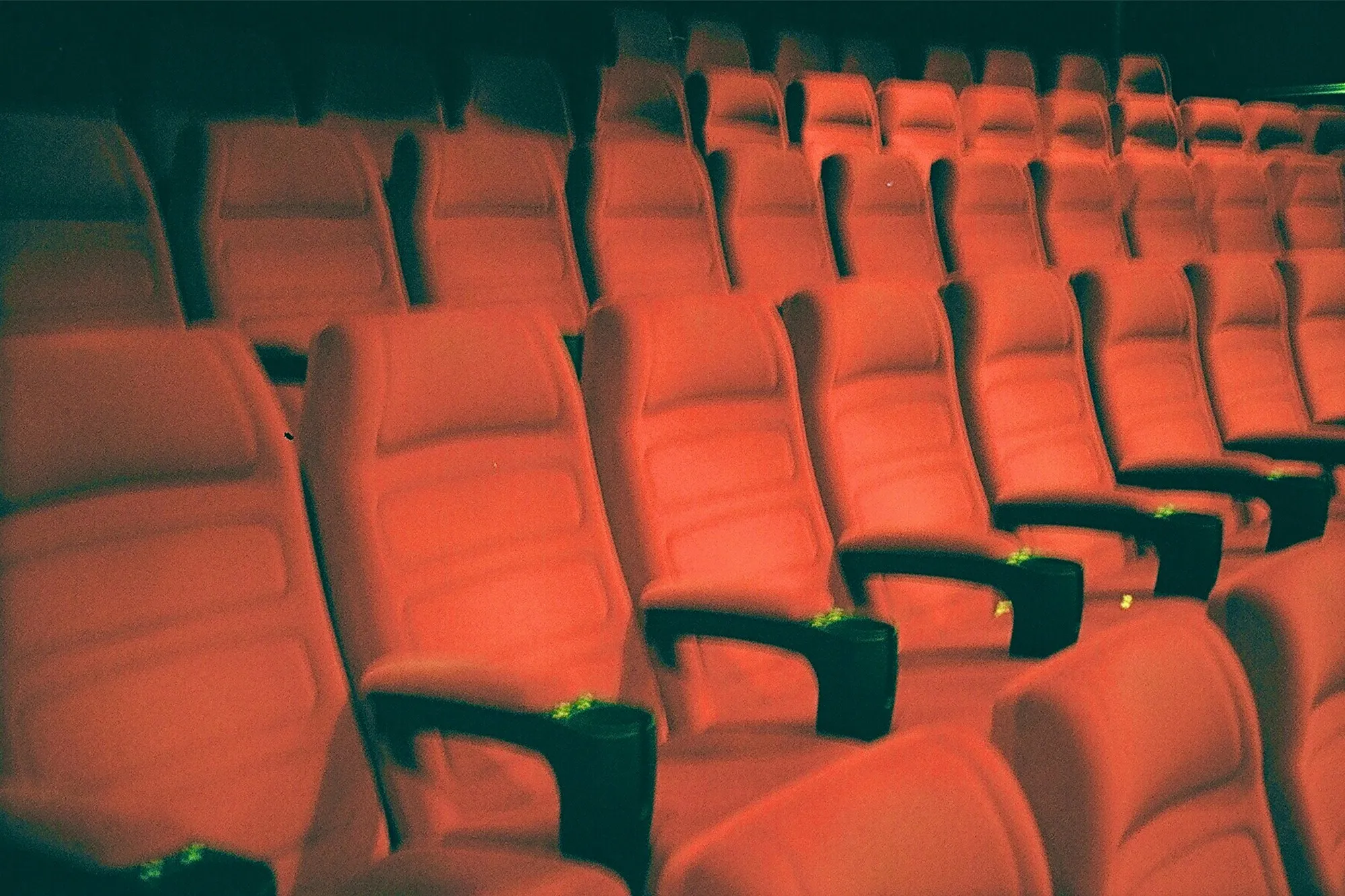
One frame later
The trip has one order. The photographs can have several.
Changing the order changes the pace. Several close views in a row make the space feel compressed. A wider photograph gives the eye a place to step back. If that wider frame contains a strong color, it may take over the sequence and leave little room for the surrounding images. I try it at the beginning, then near the end, watching what happens to the quieter pictures around it.
Cinema provides a useful comparison here. A shot can hold our attention partly because of the image that came before it. Even a photograph of empty seats carries an expectation of something about to begin. Placed after a busy street scene, it suggests a pause indoors. Put it beside a sharply lit wall and the upholstery’s repeated shapes may become the first thing you notice.
I use that kind of change sparingly. If every pair needs an ingenious visual connection, the series begins to feel assembled for the trick. Some pictures should be allowed a little distance from their neighbors. A blank area on the sheet helps me see where one group ends. In a digital layout, I try a change in scale or a longer stretch of text between the images.
There is usually one photograph I keep rescuing from the rejected pile. It reminds me of an enjoyable conversation or a meal eaten late, and I want the image to hold that experience for someone else. Sometimes a short caption can supply the missing context. Sometimes the caption becomes a long defense of a picture that contributes very little. I keep it in the personal set and continue working on the public one.
The distinction lets the final series become more specific. It can follow a recurring color or stay with rooms seen through their openings. The selection needs a reason that can be read from the images, even if the first reason for taking them was simply that I was there. I write a sentence about the proposed series and place it beside the sheet. The pictures that require exceptions become easier to identify.
I read the provisional series without captions, then add the words back. A place name can connect two photographs whose resemblance would otherwise be misleading. A date can explain why the light changes between them. I keep those useful pieces of information and cut a sentence that tells the reader which picture to like. The text should help locate the photographs. It doesn’t need to repeat every visual connection I have spent the afternoon arranging, especially when the two images are already next to each other.
Before finishing the edit, I view it in the format where it will appear. The tiny stairwell that survived every pass has almost vanished on a phone screen, so I give it more width. One of the room photographs needs a tighter crop to sit beside the curtain. With those adjustments made, I place the opening and closing frames together. Their pale walls look similar, although the captions put them on different days. I return the pictures to opposite ends of the sequence and check the distance between them.