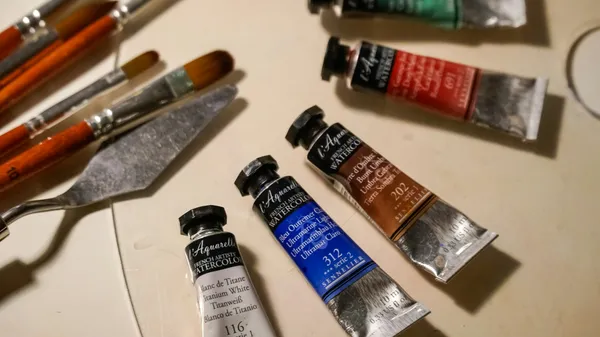
The most useful question in an editorial conversation is often the one small enough to answer precisely. On asking about actual choices, listening past a prepared explanation, and knowing when to leave a pause alone.

Books, printed pages, and the words placed beside images. Stories about reading closely, returning to a passage, and finding a useful question in someone else’s work.
The most useful question in an editorial conversation is often the one small enough to answer precisely. On asking about actual choices, listening past a prepared explanation, and knowing when to leave a pause alone.
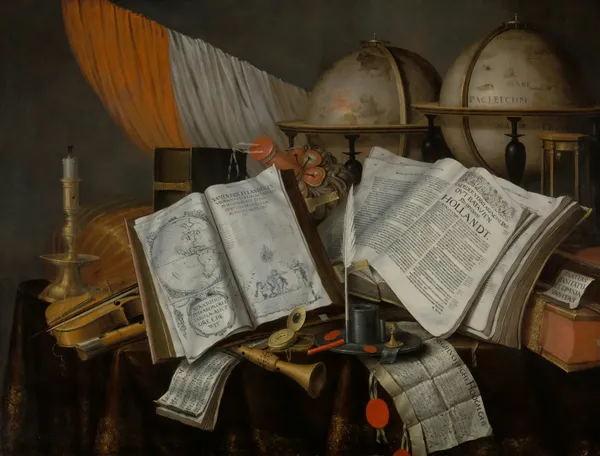
A title has to make sense before the first paragraph is available to help it. A short note on naming a piece, reading it out of context, and leaving the right amount unexplained.
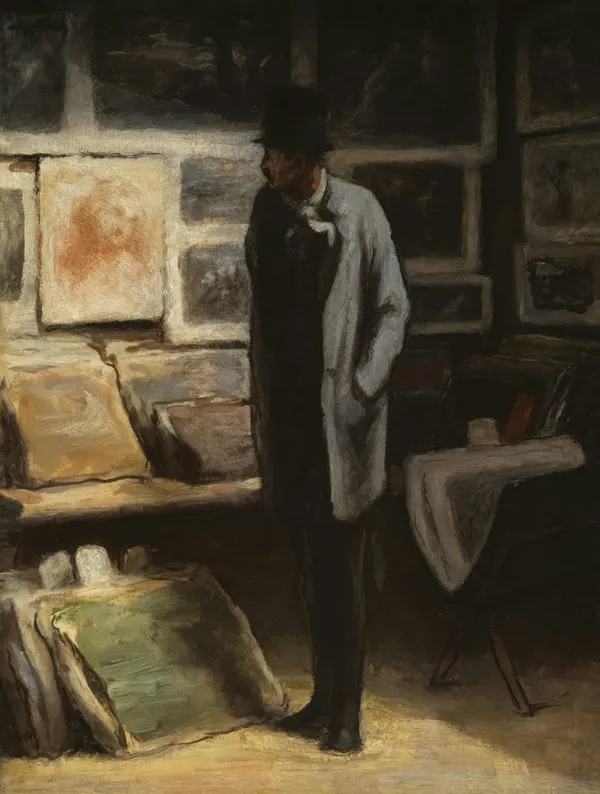
A gray-coated figure looks toward work gathered in a dark room. Frames and leaning images make the surroundings of attention visible, inviting a closer look at how pictures share a space and how a viewer finds a place among them.
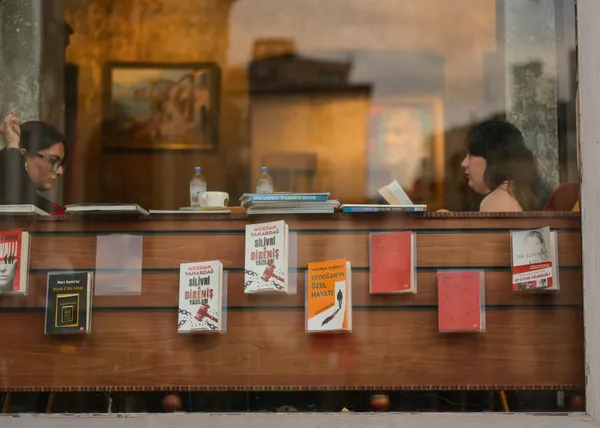
The page looked finished until the text arrived. Notes from a magazine layout: working with uneven paragraphs, deciding where a picture should end, and leaving enough room for a reader to find a way through.
After a trip, the photographs arrive in the order they were taken. Making a series means trying other orders, changing the scale, and deciding which frames can carry a memory without requiring its whole explanation.